
BOKASHI BRAN® COMMERCIAL RESOURCES
Everything you
need to get
compliant —
and stay that way.
Guides, training videos, legislation facts and straight answers for South African commercial kitchen operators.
- Commercial-kitchen focused
- Practical and printable
- Built for 2027 compliance

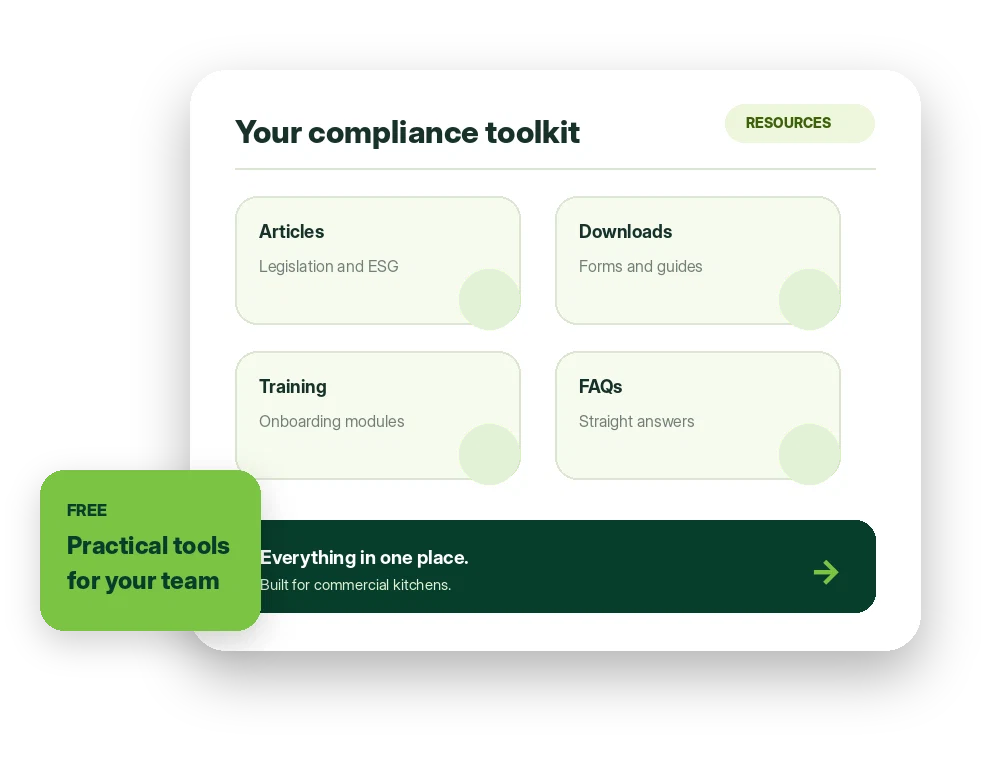
Blog
Compliance Insights

Downloads
Forms and Guides

Training Videos
Step-by-step Modules

FAQs
Straight Answers
COMMERCIAL FOOD WASTE INSIGHTS
Useful answers before the deadline.
Written for kitchen operators, sustainability managers and procurement teams — with practical next steps, not generic advice.
BLOG
Commercial food waste insights.
Stay informed with expert articles on food waste legislation, composting options, ESG reporting and cost savings.
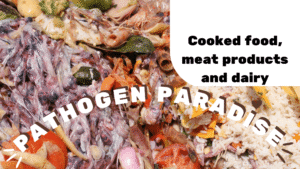
From Hazard to Harmony: Understanding the Perils of Composting Untreated Meat, Dairy, and Cooked Food
How to include food waste diversion in your company’s integrated sustainability report
Why Kitchen Staff Compliance Makes or Breaks a Food Waste Programme
Downloads
Download practical tools for your team.
Use these documents to train staff, support compliance conversations and explain the Bokashi Bran system internally.
Ready
SCHWAS Team Form
Assign named responsibility across all six kitchen roles: Senior leader, Chef, HR, Waste area manager, Accounts and Sculler. Complete at onboarding and update when staff change. One form per site.
- Best for: GM/Operations
- Open Access
In Development
Commercial Kitchen Brochure
Overview of the Bokashi Bran® system for commercial kitchens and multi-site operations. Covers the system, compliance, pricing model and reporting. Suitable for sharing with decision-makers.
- Best for: GM/Procurement
- Lead capture recommended
Ready
Bokashi Bran source separation and benefits
See how easy it is to get your kitchen ready for South Africa’s 2027 zero-organics-to-landfill deadline. This guide walks through the Bokashi Bran process step by step, plus the cost, legal, and environmental benefits of switching to bokashi-based food waste composting.
- Best for: Decision-makers
- Open Access
Ready
Legislation Facts Sheet
ORASA-sourced factsheet on South African food waste legislation: NEMA, the Waste Act, GRN 636 Section 5 disposal restrictions and the 2027 deadline. Suitable for compliance conversations and board presentations
- Best for: Compliance /ESG
- Board Ready
Ready
Dosing Instruction Guide
Step-by-step dosing instructions using the drum line markers and scoop quantities. Covers the three-step process: separate, treat with Bokashi Bran®, seal. Available in English, Zulu and Sotho.
- Best for: Kitchen training
- Open Access
TRAINING VIDEOS
Short enough for a shift briefing. Specific enough to change behaviour.
Use these modules at onboarding and whenever new staff join. The first video is email-gated; previews and supporting methods remain easy to access.
WHY THIS MATTERS
The biggest risk is not
the system. It is
inconsistent staff
behaviour.
A team that understands why food is separated, what happens next and who owns each step will outperform a team that only follows instructions. The video journey moves from “why” to “how” and then to site-specific composting methods.
Training Videos
Training videos for busy kitchen teams.
Preview key Bokashi Bran training modules.
FREQUENTLY ASKED QUESTIONS
Straight answers for commercial kitchen operators.
Grouped by the way decision-makers actually evaluate the system: operations, compliance, cost and multi-site control.
The System
All post-consumer organic food waste: cooked and uncooked food, plate scrapings, meat, fish, dairy, bones, egg shells, fruit and vegetable peels, coffee grounds, tea bags and prep waste. Keep out plastic, tin, glass, cloth, rubber, excessive liquids and all non-food contaminants.
No, when operated correctly. Bokashi fermentation creates an acidic anaerobic environment in a sealed drum, preventing putrefaction. Bad odour indicates a training issue such as too little inoculant, already-rotting food, delayed treatment or poor sealing.
The 50-litre sealed drums use roughly the footprint of a standard kitchen waste bin. A typical kitchen needs two to four drums in rotation, configured during onboarding.
The client’s waste-area role, assigned through SCHWAS. Washing an emptied drum with dish detergent, draining it and returning it to service takes about five minutes.
It goes to a commercial composting facility, or it stays on site and is processed through a Pallet Collar, Shongololo or Bokashi GreedyGuts™ Worm Farm method.
Compliance
The page should explain the 1 January 2027 zero-organics-to-landfill requirement under GRN 636 and direct visitors to the Legislation page for the complete compliance timeline, including restrictions that have applied since 2019.
Monthly collection reports with drum counts, weights, contamination flags and collection dates, plus a certificate of safe disposal. Clients also receive an annual IEMA-certified Certificate of Environmental Stewardship with total diversion and avoided emissions.
The underlying collection data is auditable and traceable. The certificate is designed for use in GRI waste and emissions disclosures, CDP scope 3 reporting, JSE sustainability submissions and integrated annual reporting.
Monthly collection reports and the annual certificate provide core evidence for an Integrated Waste Management Plan. The interface should offer a direct request for an IWM-formatted data export.
Operations
Frequency is set from site volumes. Most clients are weekly, high-volume properties may need two or three collections per week, and smaller sites may be bi-weekly.
Additional drums can cover peaks and an unscheduled collection can be arranged. Event-driven properties should use a flexible collection agreement.
SCHWAS assigns named responsibility across Senior leader, Chef, HR, Waste area manager, Accounts and Sculler. It is strongly recommended because unclear ownership is a common cause of programme drift.
A single site can typically move from first contact to first collection in under a week: assessment, drum configuration, SCHWAS documentation, staff training and scheduling.
Costs
Often. Removing food waste from general waste can reduce skips, lifts and bin collections. The page should link to cost case studies and invite a site-specific cost assessment rather than promise a universal saving.
Multi-site Operations
Head office can filter by brand, property and fiscal year, compare performance, drill into individual sites and export PDF or CSV reports. Property certificates remain separately downloadable and a consolidated group certificate can be requested.
Have a question that is not answered here?
Contact Bronwyn on 082 456 9225 or WhatsApp Amy on 083 790 1043